
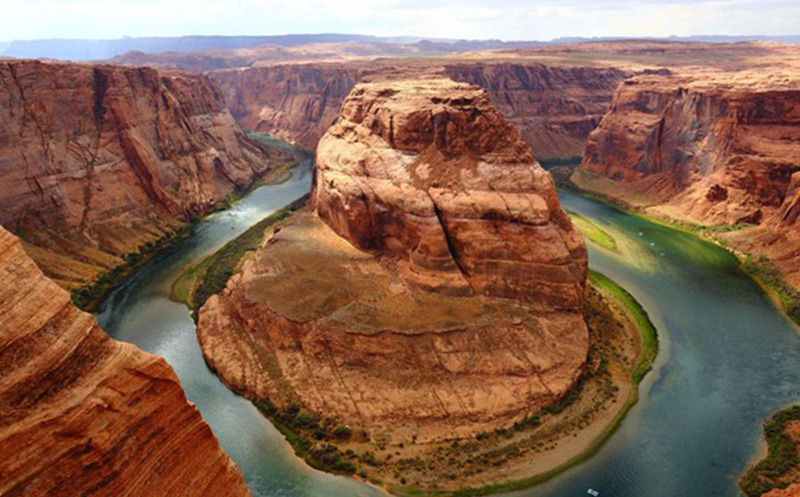
Arizona has a powerful entertainment landscape that generates good revenues for the state. The state’s entertainment revenue engine spans from national parks to major film festivals and live events. Major film sets keep returning to the famous Arizona desert while locals and visitors flock to entertainment districts that deliver everything expected. Every activity brings more money into the state so that residents can enjoy the services funded by these dollars. The question remains: how much does Arizona make from entertainment?
Event Wagering Offers a New Stream
Arizona allowed event wagering since regulatory changes were approved in 2021, and the rollout has seen various sports fans participating legally while giving the state more ways to collect taxes. The State of Arizona collected over $2.5 million in privilege fees in December 2024 alone. Meanwhile, the gross event wagering receipts amounted to over $4 billion in 2025, showing how strong the new entertainment revenue generator has become in just four years. The total gross event wagering receipts to date have surpassed $22 billion.
Analysts forecast more growth in the coming years, especially once certain deductions are phased out. This change would rewrite how operators calculate taxable totals, which would alter how much the state earns. Still, event wagering at the tribal casinos and mobile operators remains far behind the revenues collected from tribal venues themselves.
However, the industry has potential as Arizona hosts four major sporting franchises with a rotation of tournaments, bowl games, and training events. Fans inside stadiums, at home, and on the road can follow games in real-time, making the entertainment option potentially more lucrative as the industry grows. The convenience of event wagering and fantasy sports betting will increase tax activity in Arizona, even if it can’t compete with tribal venues.
Tribal Operations
Tribal casino venues across Arizona support over 51,000 jobs and have been one of the state’s most dependable entertainment revenue generators. Sixteen federally approved tribes operate 29 gaming venues under the state’s compact agreements, which detail how contributions are calculated and where the revenue goes for a structured pipeline that keeps the money flowing into local and state programs.
The American Gaming Association reported that Arizona’s tribal gambling facilities’ annual tax impact and tribal revenue share payments to the government equate to around $1.1 billion. Some programs that benefit from that revenue include the Instructional Improvement Fund, the AZ Wildlife Conservation Fund, amongst various other contributions. Yet, despite online casinos lacking a state-regulated online casino market, some locals and visitors still play on the go at slot apps that hold reputable licences by gambling bodies operating globally. This is generally because these sites typically offer more enticing bonuses, a wider range of slots, and even larger tournaments.
However, despite the appeal of those platforms, the majority of the state’s gambling income originates from tribal casinos that have become a pillar of public finance. These venues have become essential to Arizona’s budget plans. The appeal remains strong as the tribal casinos have dining rooms, hotels, and additional entertainment sources that attract guests from other towns and states. These venues also tend to benefit surrounding businesses by creating more foot traffic for restaurants and accommodation spaces.
Live Tourism Events Fill Public Accounts
Arizona welcomed over 41 million overnight visitors in 2024, with 19.2 million visitors spending the night in Phoenix and Central Arizona. The state collected over $96 million in tourism and hospitality taxes for September 2025 alone, with over $90 million for August and over $92 million for July. These figures accounted for lodging, restaurants, amusement parks, and retail sectors. Tourism is just another active revenue engine for Arizona.
However, tourism isn’t entertainment. It counts toward it because visitors often spend time and money on concerts, statewide fairs, dining districts, conventions, and sports matchups. The live events Dollars keep rolling in as tourists visit the entertainment spots around major cities and across different counties. The Grand Canyon state actually saw daily visitor spending reach $81 million in 2024. That number reveals money flowing through rental cars, local stores, nightlife spaces, hotels, entertainment districts, and state-wide attractions.
Phoenix is one of the cities that benefits the most from the major-event traffic. Large tours and festivals attract huge crowds while restaurants around Westgate see major rushes before shows. Tourism has always been a solid economic driver for small businesses, and live tourism events bring a lot of income into the state and public accounts.
Film and TV Production Look Promising
Arizona has had a long relationship with the movie and TV industry that stretches back to the days when Western films relied on desert scenery. The Motion Picture Production Tax Credit, which took effect in 2003, has enabled a revival of the state-wide shoots. Productions spending more than a set amount within the state will benefit from a refundable credit that encourages producers to consider Arizona’s beautiful backdrops.
The credit cap started with $75 million in 2023 and rose to $125 million in 2025, with producers being able to pre-approve motion pictures that bring income into the state. These tax credits would then be credited when production companies spend on local labor, wardrobe accessories, production supplies, and equipment rentals. There is a limit of $250 million from which producers can claim credits. However, the renewed relationship certainly brings a lot more revenue into the state by making the destination a shoot-worthy location.
How these productions also contribute to state revenue is that they support local equipment suppliers, venues, caterers, lodges, and other Arizona-based film crews, with each industry adding more to the revenue generated through everyday business. It’s hard to put an exact number on how much Arizona makes from this corner of the entertainment industry, but those figures are sure to become constant generators due to the credit system.
National Parks and Outdoor Attractions Have Real Impact
Outdoor entertainment is one of Arizona’s most recognized forms of leisure, and it brings real money into the state. The National Park Service reported seeing 11.3 million visitors in 2024, which generated around $1.4 billion in revenue. The same report revealed that visitors to the state spent roughly $29 billion in nearby communities.
Arizona is home to multiple national parks, ranging from the Grand Canyon to the Desert Botanical Garden and the Chiricahua National Monument. Many of these parks even had free entry days in September to show the scenic beauty, so that word-of-mouth would spread and bring more visitors. While outdoor entertainment may not achieve the same revenues as tribal casinos or the tourism industry in general, it certainly adds to the public funds.
National parks and other outdoor adventures bring more visitors who spend more money in surrounding communities, which indirectly supports the economy as a sub-entertainment source of income for the state. People spend on travel guide services, dining, camping, lodging, and entry fees. These visitors also become the main source of commerce for many local communities, all of which pay their own taxes.
Conclusion
The State of Arizona thrives on its entertainment industry, from tribal casinos to film sets and outdoor hiking spots. Tourism, new wagering events, and every hospitality sector within the state contribute to the revenue, and those public funds go back into the communities to provide better public, educational, and emergency services. Every entertainment dollar spent on entertainment in the state contributes directly or indirectly to the main cause: the people.